Made to order, ready in 3–7 days
    +971 54 773 9397 — Concierge available
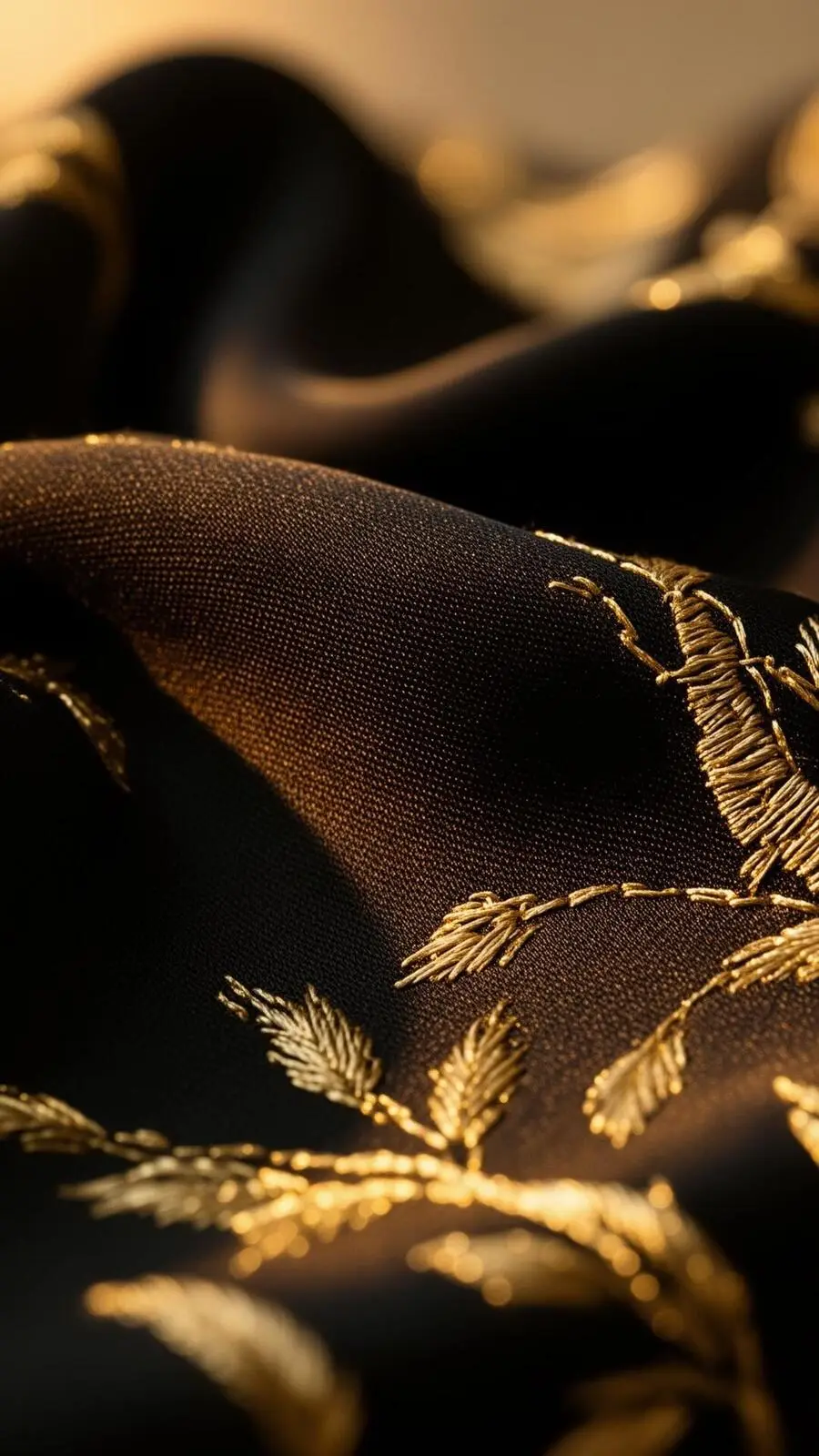
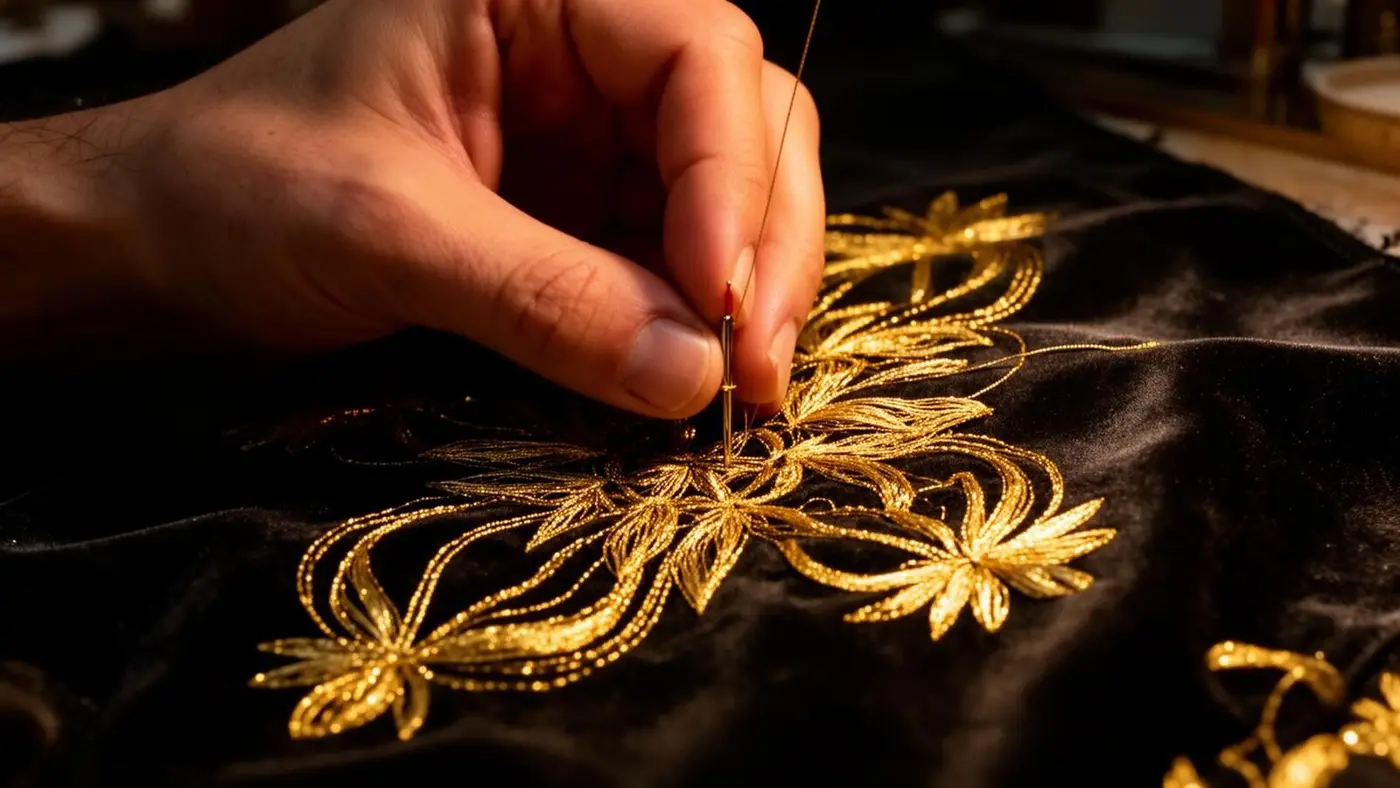
    Abaya fabric detail — crêpe and silk at the NAH atelier

    Abaya Fabrics We Work In

    We work in whatever fabric a design calls for, and we can source to order. The names buyers ask for most often are Korean nida, 100% linen, silk, barbie crêpe and Saudi crêpe — but the more useful question is not which fabric, it is which tier: the same design can be produced from the most premium fabrics available in the region down to upper-mid.

    Minimum order
    8 pieces per design
    Production
    1–3 weeks
    Delivery
    Worldwide, 10–15 days
    Private label
    Woven, leather, hangtags
    Made in
    Ajman, UAE
    The fabrics

    Which fabrics do you cut abayas from?

    These are the ones buyers name most often. If a fabric you want is not here, ask — sourcing to order is a normal part of the work, not an exception.

    • Korean nida — the everyday workhorse; matte, structured, holds a clean line
    • Saudi crêpe — weight and drape, the classic Gulf choice for occasion pieces
    • Barbie crêpe — softer handle and more movement, popular for flowing cuts
    • 100% linen — breathable and relaxed, for heat and daywear
    • Silk — for evening and occasion, where drape and sheen do the work
    • Jersey — stretch and comfort, for casual and travel silhouettes
    • Chiffon and georgette — layering, sleeves and overlays
    • Satin — sheen for occasion wear
    • Cotton blends — everyday, breathable, easy care
    Silk fabric drape for abaya production
    Choosing

    Which fabric is right for my design?

    It depends on what you want the garment to do, and the honest shorthand is this: structure or movement. You are usually choosing between a fabric that holds a shape and one that flows.

    Nida holds a line. If the design has clean edges, a defined shoulder or a tailored front, nida is doing the work and a soft crêpe would collapse it. It is also the most forgiving to sew consistently, which is part of why it dominates everyday abayas.

    Crêpe moves. Saudi crêpe gives you weight with drape, which is why it is the default for occasion pieces — it falls rather than floats. Barbie crêpe is the softer, lighter cousin and suits a fuller cut where you want movement when the wearer walks.

    Linen and cotton breathe, which matters more than anything else in a Gulf summer or any hot market. They wrinkle, and that is a feature or a problem depending on the customer you are selling to — say which when you enquire.

    Silk and satin are for evening. They are the least forgiving fabrics to cut and the most rewarding to get right. Chiffon and georgette are usually secondary, used for sleeves, layers and overlays rather than the whole garment.

    Tiers, not just names

    How do budget tiers work?

    A fabric name on its own does not tell you much. Nida from one mill and nida from another can sit a long way apart on both price and handle, and two suppliers can sell you very different cloth under the same word. This is where most first-time buyers get caught.

    So we work in tiers rather than names alone. The range runs from the most premium fabrics available in this region down to upper-mid. We will produce the same design across that range and tell you honestly what changes as you move down it.

    What changes, usually, is not the first impression. It is the drape after a wash, how the colour holds, and how the garment looks at the end of a season rather than on the hanger on day one. For a brand, that is the difference between a customer who returns and one who does not — which is why this conversation is worth having properly before a run, not after.

    Sourcing and trims

    Can you get a specific fabric or trim?

    Fabric, usually yes. We source to order and work with suppliers across the region, and 'we use every fabric possible' is closer to the truth than any fixed list on a web page.

    Trims need one caveat stated plainly. Lace and trims are bought from the market rather than woven to order, so a design has to be matched to a trim that actually exists. If you send a reference with a lace we cannot obtain, we will tell you before production and show you the nearest real option rather than substituting quietly.

    If you have a fabric or a trim you already use and want matched, send a photo or a swatch reference when you enquire. It is much easier to match something in front of us than to work from a description.

    Fabric and trim selection at the NAH atelier
    Start the conversation

    Send us your design, or ask us anything.

    Message us on WhatsApp with a photo or video of what you want made. Minimum order is 8 pieces per design.

    Questions, answered

    Frequently asked

    What fabrics do you make abayas from?
    Korean nida, Saudi crêpe, barbie crêpe, 100% linen, silk, jersey, chiffon, georgette, satin and cotton blends among others. We also source to order.
    Can you source a fabric I specify?
    Usually yes. Sourcing to order is a normal part of the work — send us the fabric you want and we will tell you what is possible.
    What is Korean nida?
    A matte, structured fabric that holds a clean line. It is the most commonly requested abaya fabric for everyday pieces, and the most forgiving to sew consistently.
    What is the difference between Saudi crêpe and barbie crêpe?
    Saudi crêpe is heavier and falls with weight, which suits occasion pieces. Barbie crêpe is softer and lighter with more movement, which suits fuller, flowing cuts.
    Which fabric is best for hot weather?
    100% linen and cotton blends breathe best. They wrinkle more, which some markets like and others do not.
    Which fabric is best for an everyday abaya?
    Nida, in most cases. It holds its shape, wears well and is consistent across a production run.
    Do you offer different price tiers?
    Yes. Tiers run from the most premium fabrics available in the region down to upper-mid, and the same design can be produced across that range.
    Can you match a lace from a photo?
    Lace and trims are bought from suppliers rather than woven to order. We will tell you before production if a specific lace cannot be matched, and show you the closest available.
    Can you match a fabric I already use?
    Send a photo or a swatch reference when you enquire. Matching something we can see is far easier than working from a description.
    Does the fabric change the production time?
    Not usually. Production is 1–3 weeks depending on volume and complexity.
    Do you provide fabric samples?
    Ask us when you enquire and we will tell you what we can send for your design.