Heritage
The Art of the Abaya: A Brief History of Modern Modesty
Last updated —9 min
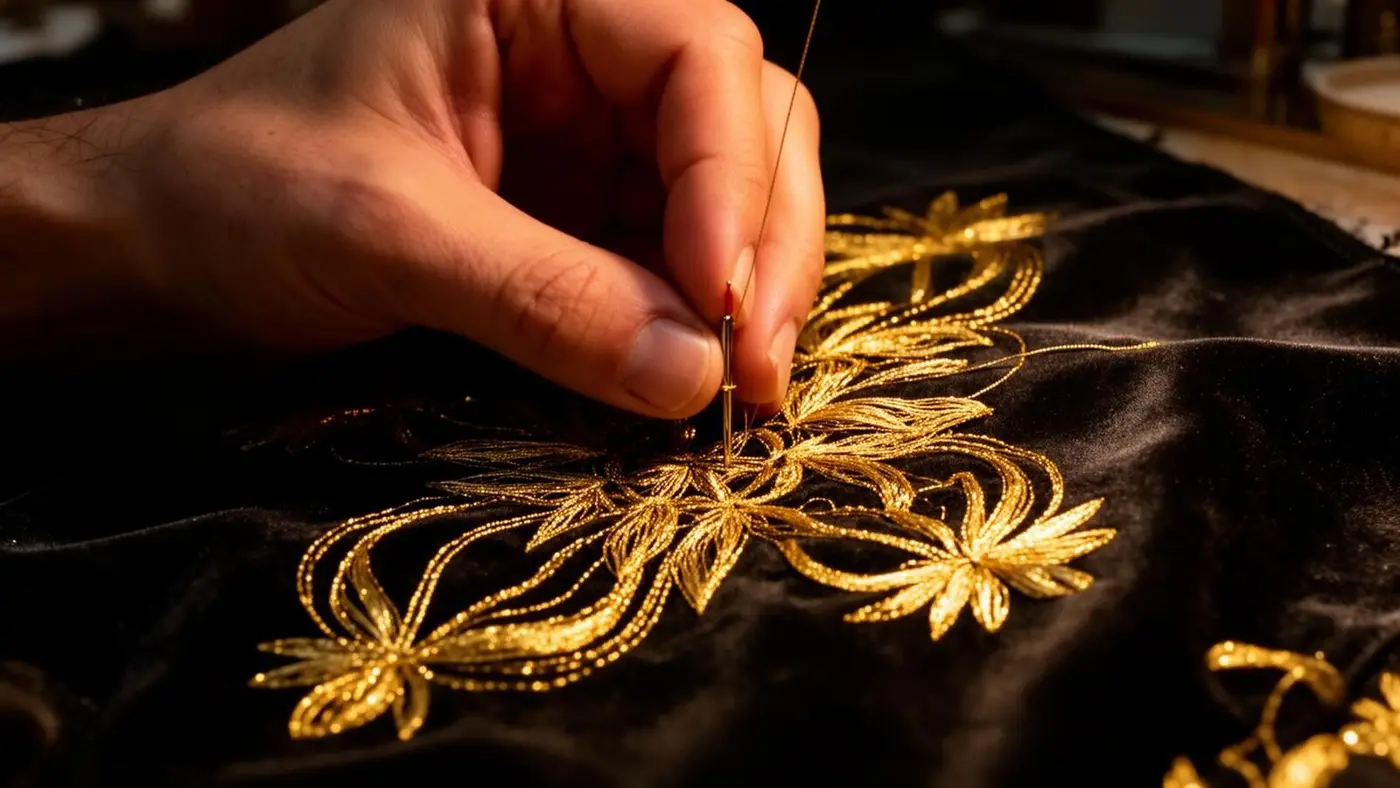
The abaya is older than the country that made it famous. It is older than fashion. To understand it as merely a garment is to mistake architecture for shelter.
For centuries, the abaya served a single, quiet purpose — to draw a line between the public self and the private self. In the Gulf, that line has always been drawn with elegance. The earliest abayas were cut from a single length of black cloth, hand-finished in the courtyards of Dubai, Riyadh, and Doha.
What changed in the past two decades was not the abaya itself, but the world's gaze upon it. Houses in Paris, Milan and London began studying the silhouette — the long line, the loose cut, the architectural restraint — and recognised in it the same principles that governed their own most cherished garments.
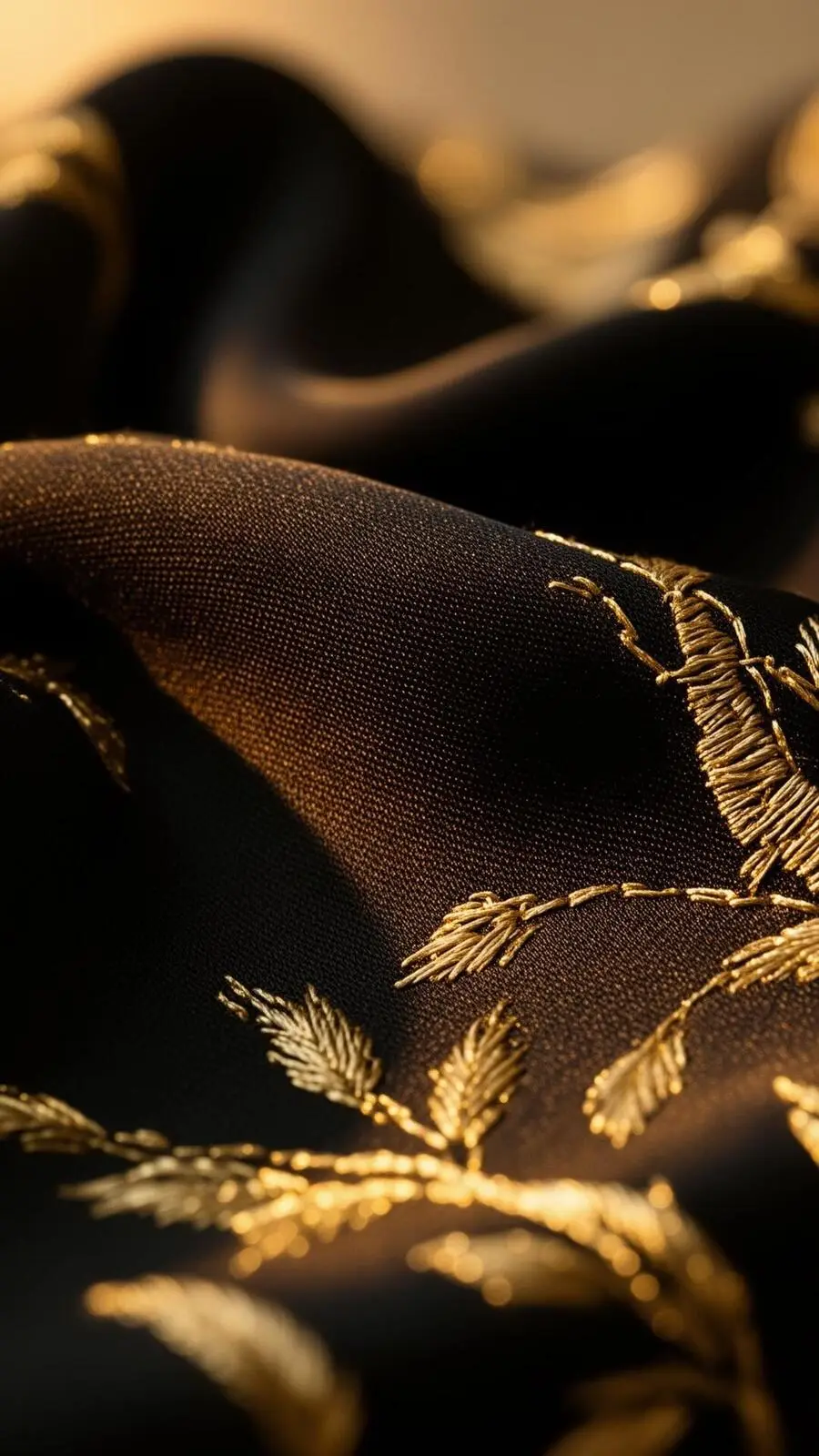
The abaya endures because it solves a problem fashion rarely solves: it ages well. A well-cut abaya in Saudi crêpe, hand-finished and properly cared for, will be wearable in twenty years. That is not a feature. That is the entire idea.
At NAH, we view our role as custodians, not inventors. The silhouettes we produce are recognisably abayas — but the proportions are recalibrated for the woman who moves between Dubai, London, and Riyadh in the same week. Lighter fabrics for travel. Cleaner finishes for the evening. A quieter palette, because quiet has become the loudest thing.
Explore the collection that began with a single sketch and a single length of cloth.
Shop Luxury Abayas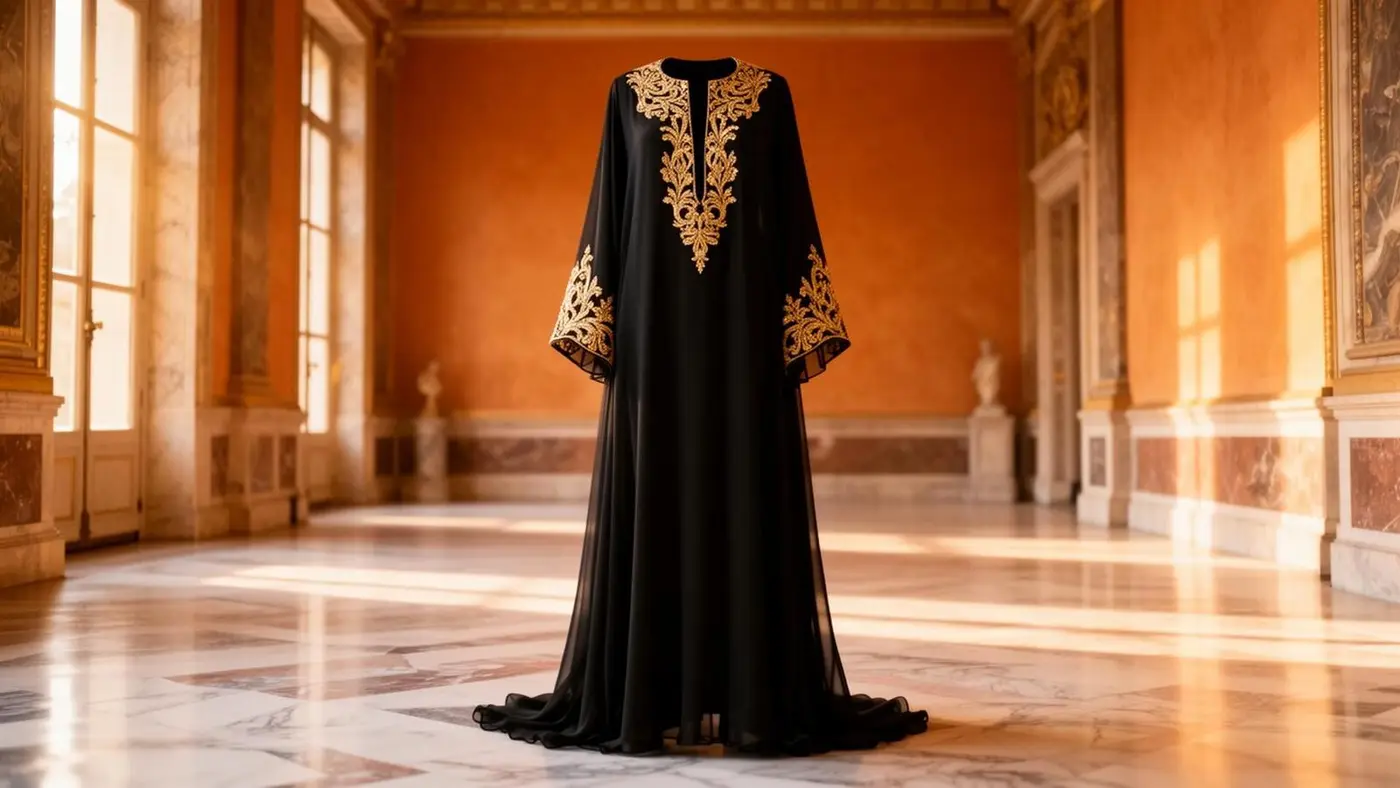
How to choose an Eid abaya that honours tradition without rehearsing it — silhouette, fabric, and the subtleties that separate finery from fashion.
Why we source crêpe from the Eastern Province and silk from Como — a quiet defence of fabric obsession.
A walk through the Dubai atelier where each NAH abaya is cut, embroidered, and finished — by a small team of hands that have been doing this for thirty years.