Trends
Abaya Trends in Dubai 2026: What the Atelier Is Watching
Last updated —5 min
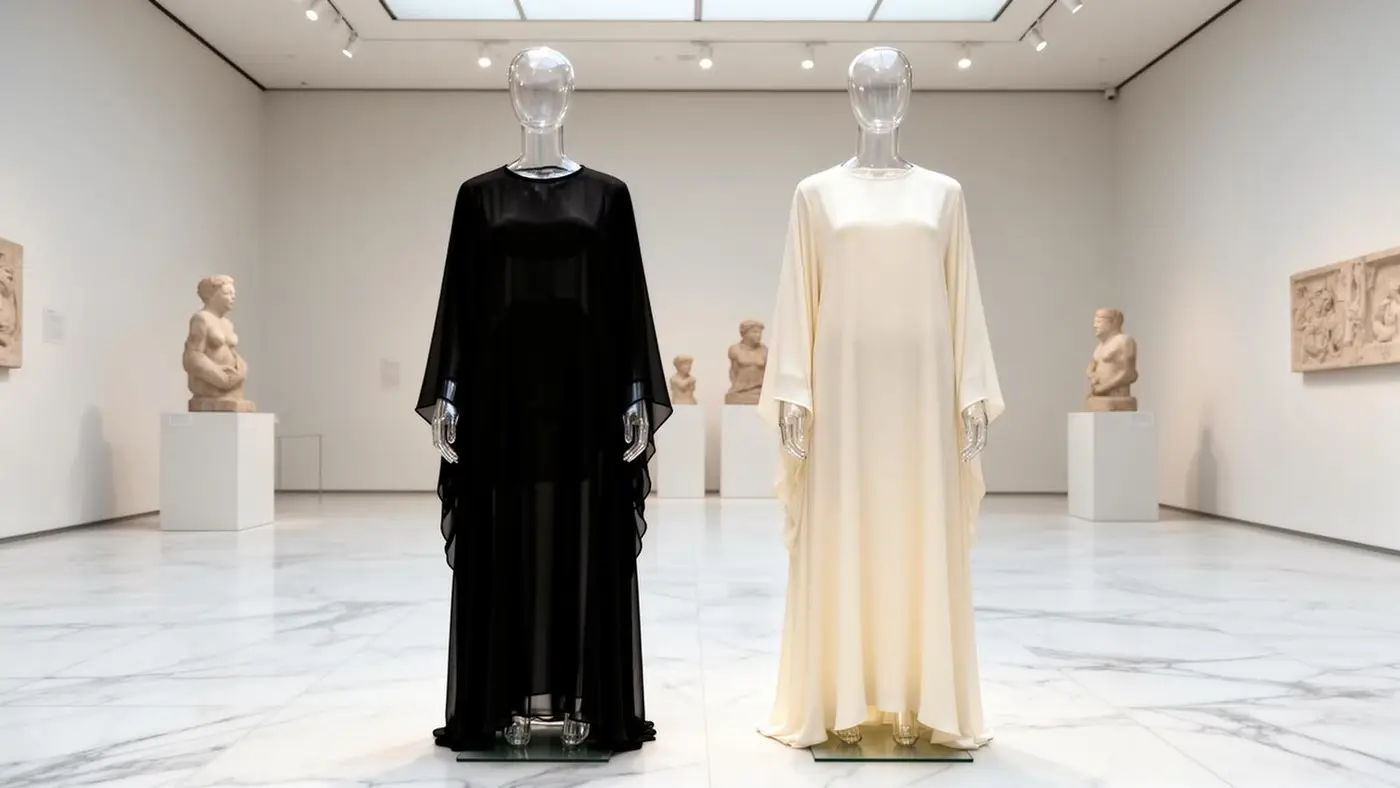
Trends, in our world, are slow. The abaya does not turn over every six weeks. But there are shifts — directions of attention — and 2026 has already begun to draw a few of them clearly.
After several seasons of volume — voluminous sleeves, billowing skirts — Dubai is returning to the column. A clean vertical line, a sleeve that follows the arm, a hem that grazes the floor without pooling. It is more disciplined, and it photographs beautifully in the natural light of an early evening.
The Dubai woman travels. Her wardrobe travels with her. We are seeing demand for lighter weights — 160–180 gsm crêpes, silk-blend georgettes — that move from a Riyadh garden to a Knightsbridge restaurant without changing.
Printed embellishment had its season. It is over. The pieces our clients ask for now are hand-set: pearls, French knots, zardozi. The reasoning is simple — hand work ages. Print does not.
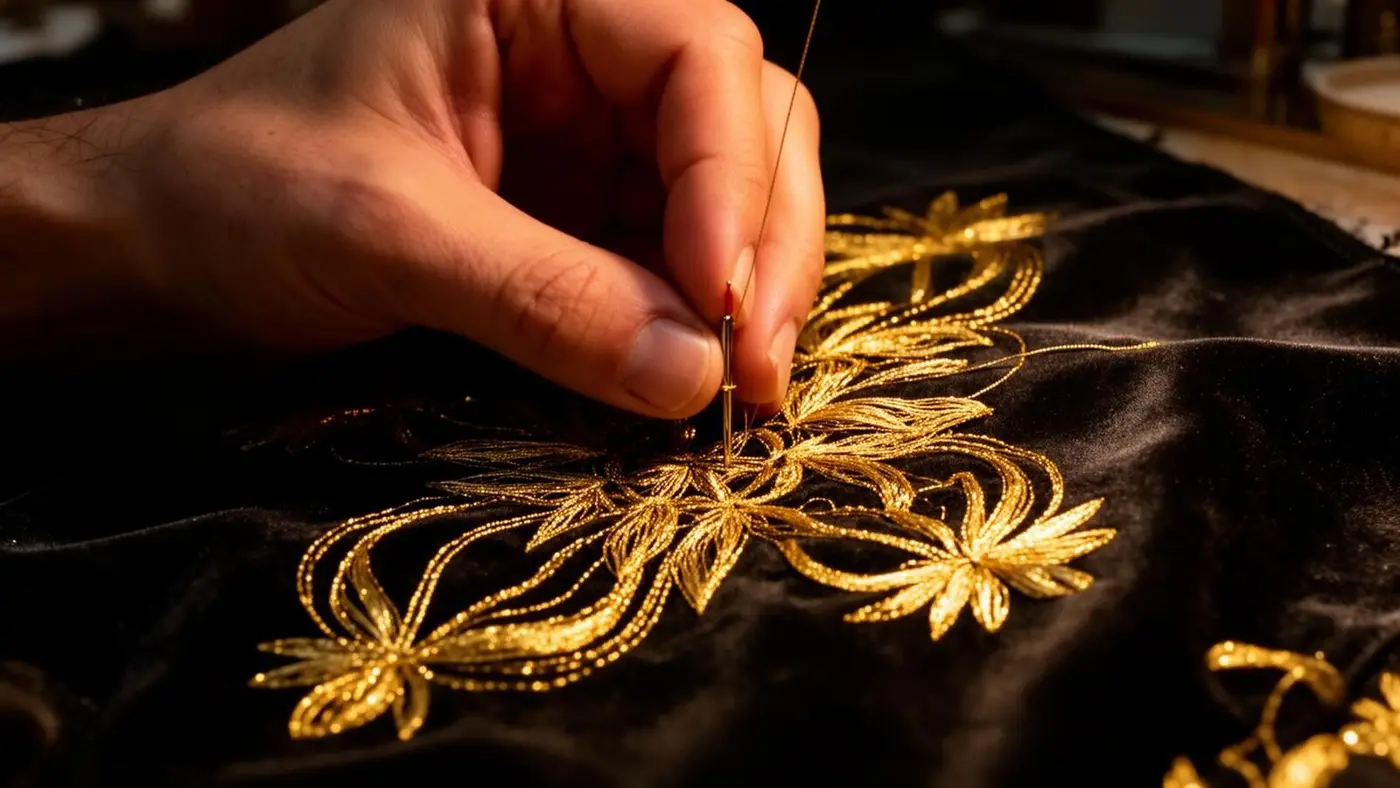
Black, of course, remains. But beside it, our most-requested colours of 2026 are bone, dune, and a deep midnight that reads almost as black until the light catches it. No saturated colour. No noise.
Explore the 2026 collection from our Dubai atelier.
Discover the Collection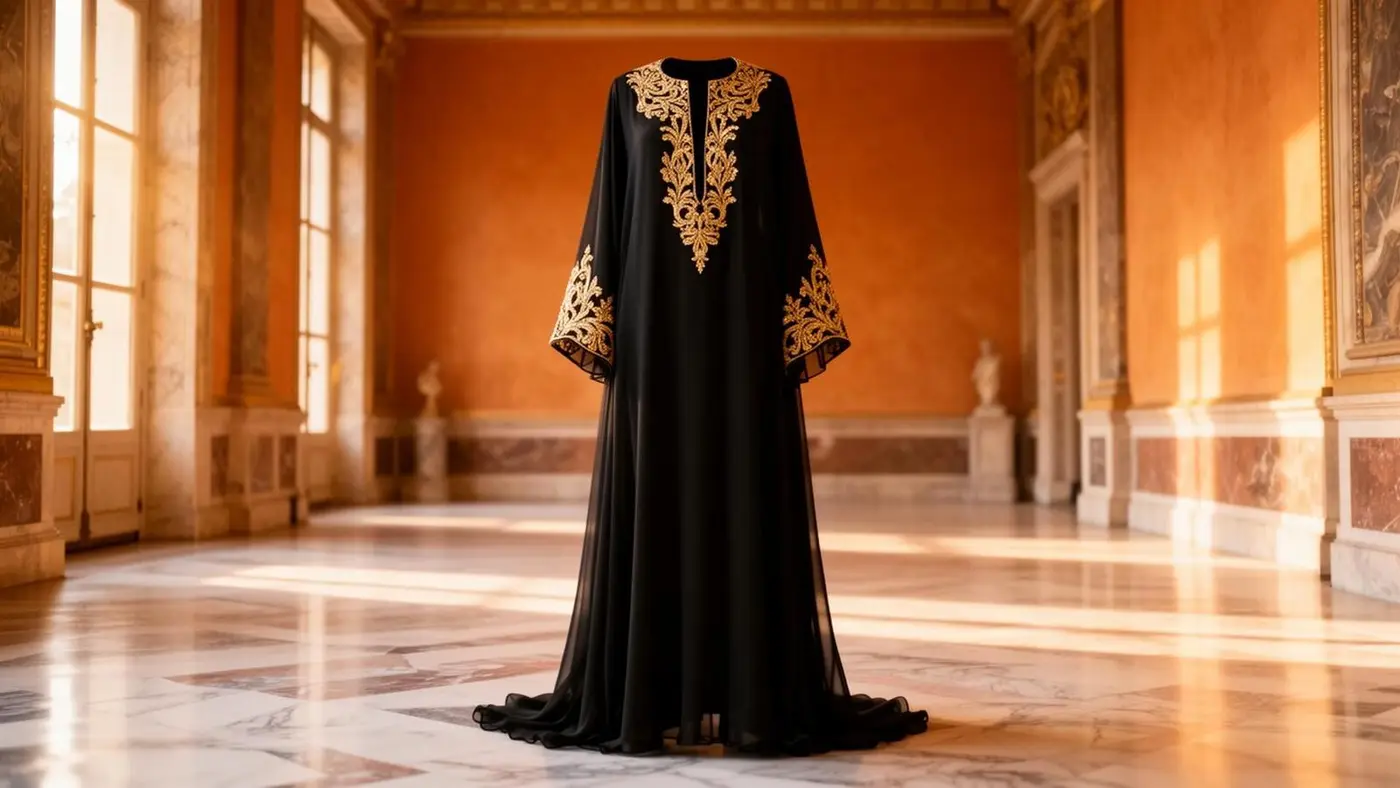
How to choose an Eid abaya that honours tradition without rehearsing it — silhouette, fabric, and the subtleties that separate finery from fashion.
From the courtyards of old Dubai to the runways of Paris — a meditation on how the abaya became one of the most quietly powerful garments in modern fashion.
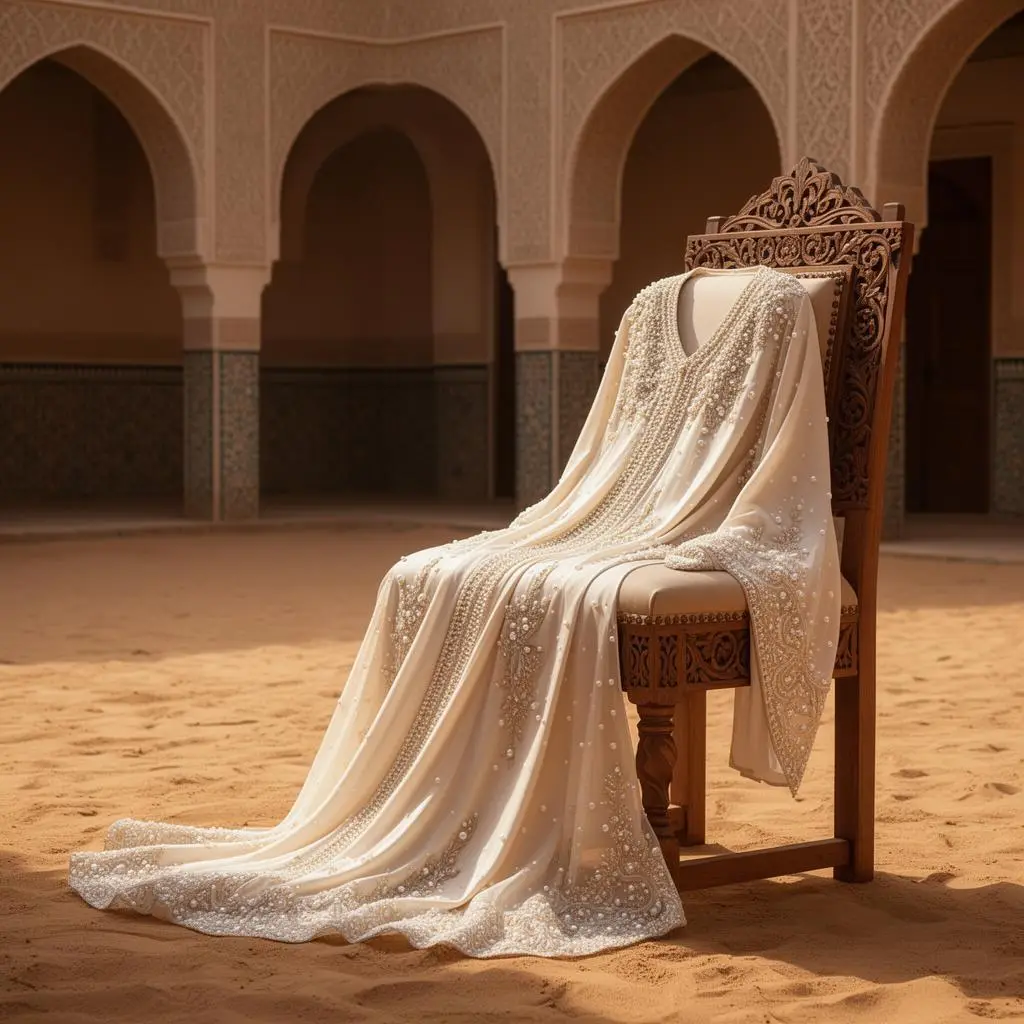
Eight ways to wear the open abaya — from morning meetings in DIFC to long evenings in the old city. A practical guide for the woman who chooses fewer, finer things.