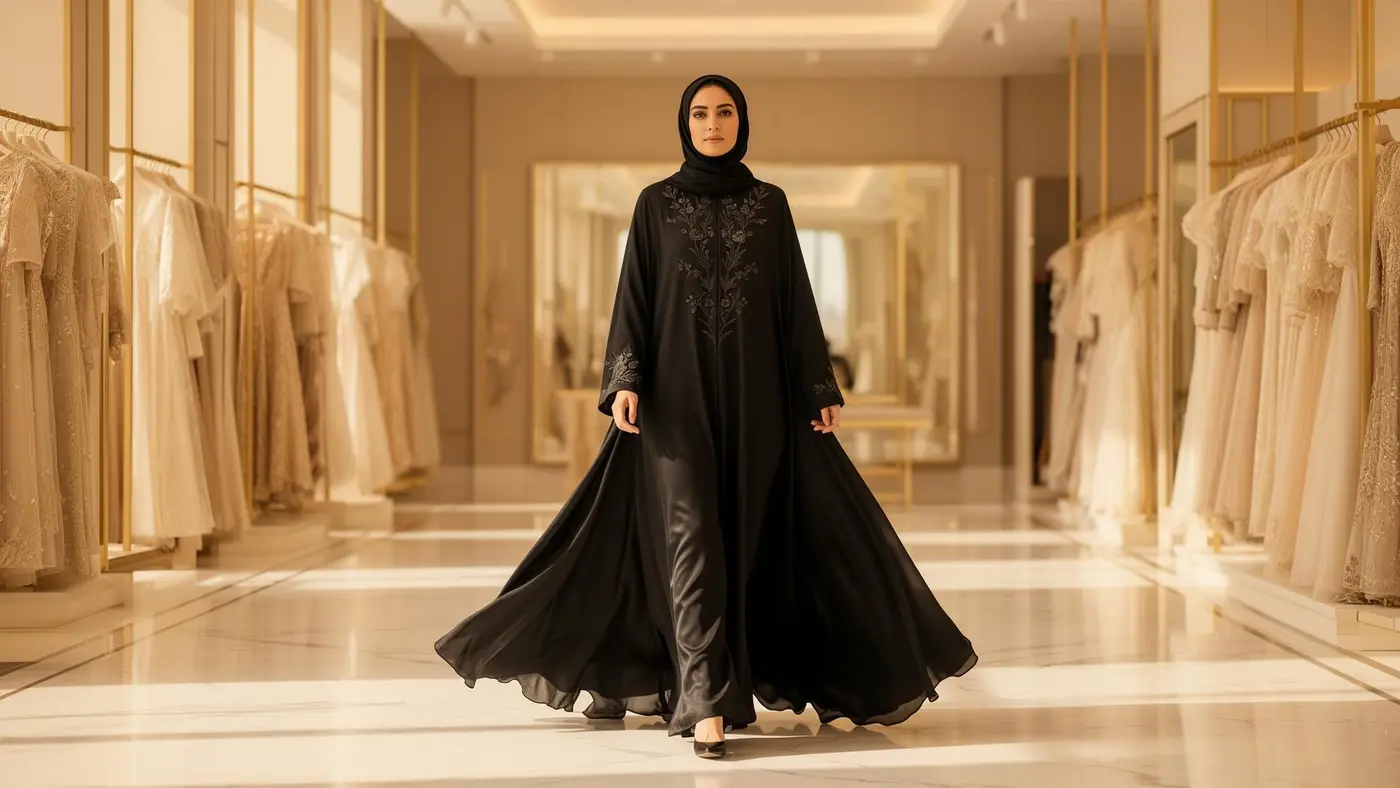
◆Made to order, ready in 3–7 days◆
    +971 54 773 9397 — Concierge available

    Abaya Manufacturer for Arizona Brands & Boutiques

    NAH (Noor Al Haya Abaya) is an abaya manufacturer in the United Arab Emirates making private label and wholesale abayas for brands and boutiques in Arizona — Phoenix, Tempe, Mesa and Chandler and everywhere else in the state. From 8 pieces per design, delivered door to door in 10–15 days.

    The Arizona market

    Who buys abayas wholesale in Arizona?

    Arizona's demand is concentrated in the Phoenix metro — Tempe around the university, Mesa, Chandler and Scottsdale — with a smaller market in Tucson. It is a growing rather than long-established community, which means less entrenched competition and customers who are often buying from a local boutique for the first time rather than switching from one.

    We deliver to Phoenix, Tempe, Mesa, Chandler, Scottsdale and Tucson, and everywhere else in Arizona.
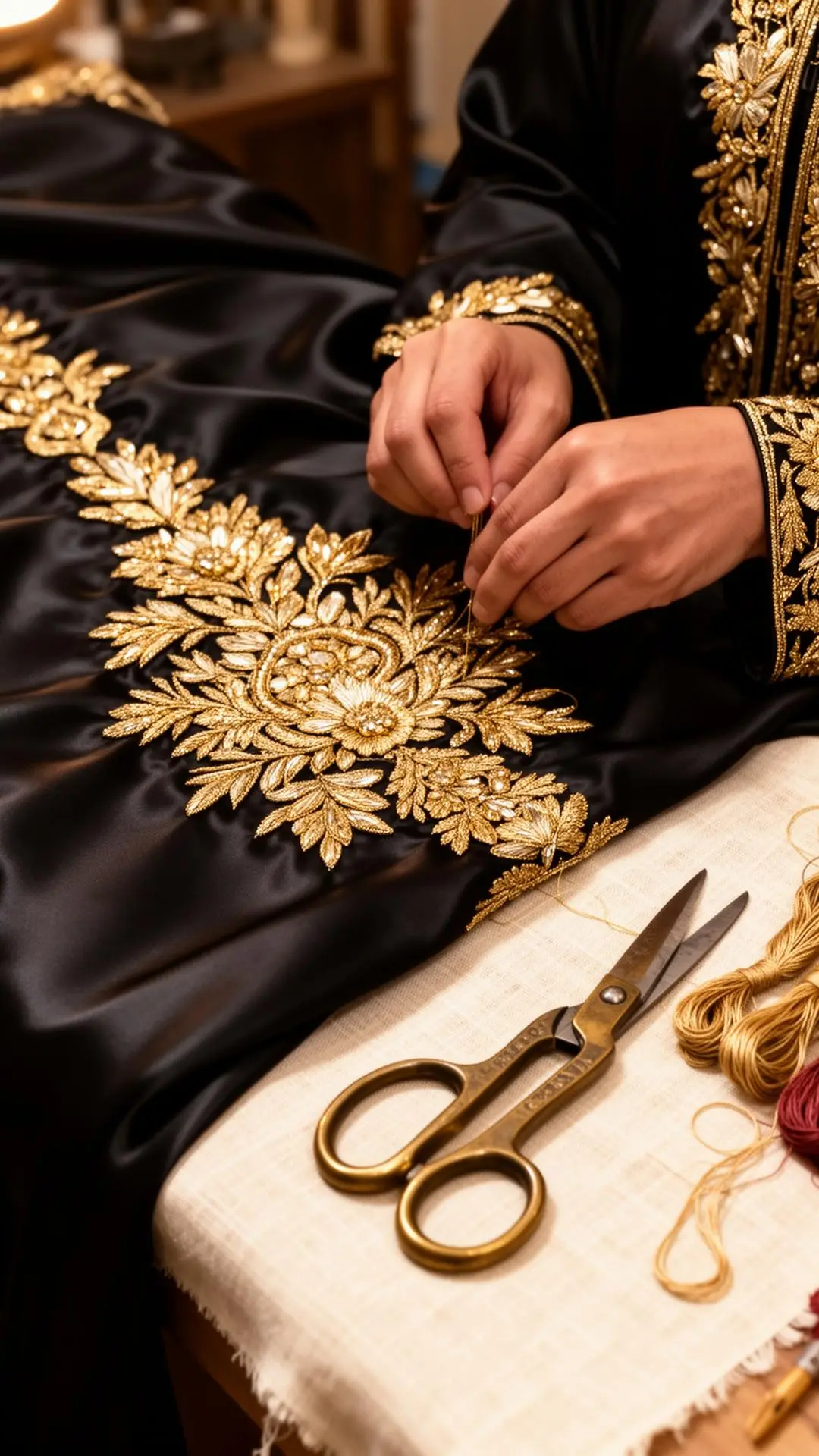
    Abaya production for Arizona boutiques at the NAH atelier
    Climate & fabric

    What should a Arizona boutique stock?

    Arizona is the most extreme heat market in the country and a dry one, which is a different problem from Houston or Miami. Summer runs long and hot, and the answer is light, opaque, loose-cut fabric rather than anything clingy; dry heat also means a light layer is genuinely comfortable where humid heat would not be.

    Where we would suggest starting:

    • ◆A loose-cut everyday abaya in the lightest opaque fabric we make
    • ◆An open abaya worn over everyday clothes for the long summer
    • ◆One mid-weight design for the short, mild winter
    Building a label in Arizona

    Why Arizona is worth building in

    The abaya that works in Phoenix in July is a genuinely different garment from the one that works in Chicago, and most suppliers ship the same thing to both. Solving for this climate properly — weight, opacity and cut tested against real heat rather than assumed — is a product advantage here rather than a detail. Get it right and you are not competing on price with people who did not bother.

    You own the label: we make to your design, you approve the fabric and the sample before production, and the minimum is 8 pieces per design.

    Arizona is the one state where the gap never moves. It does not observe daylight saving, so it stays on Mountain Standard Time all year and sits exactly 11 hours behind Dubai in every month. A 9am call in Phoenix reaches us at 8pm, in January and in July alike — which makes Arizona the easiest state to schedule with, once you know the slot. Pricing, importing and Ramadan 2027 timelines for US brands are set out on our US page.

    Start the conversation

    Send your design. We will quote your landed cost to Arizona.

    A photo or a video is enough. Minimum order is 8 pieces per design.

    Questions, answered

    Abaya manufacturing for Arizona brands

    Which fabrics survive a Phoenix summer?
    The lightest opaque fabrics we make, cut loose. Arizona heat is dry rather than humid, which is actually more forgiving for a layered garment than Houston or Miami — but weight and opacity still decide whether a piece gets worn in July.
    When is the best time for a video call from Arizona?
    Any morning. Arizona does not change clocks, so it is 11 hours behind Dubai all year — a 9am call reaches us at 8pm every month, unlike every other state where the gap shifts twice a year.
    Is there room for a new abaya brand in Arizona?
    The community is growing rather than long-established, so there is less entrenched competition than in Michigan or New Jersey. An 8-piece minimum per design is a reasonable way to test which styles land before committing further.
    Is there room for a new abaya label in Arizona?
    More than in most states. The market is forming rather than settled, so there are fewer established names to displace. Eight pieces per design is a sensible way to test which styles land.
    What survives a Phoenix summer?
    The lightest opaque fabric we make, cut loose. Arizona heat is dry rather than humid, which is more forgiving for a layered garment — but weight and opacity still decide whether a piece gets worn in July.