Craft
A Fabric Guide: Saudi Crêpe, Italian Silk, and Why It Matters
—8 min
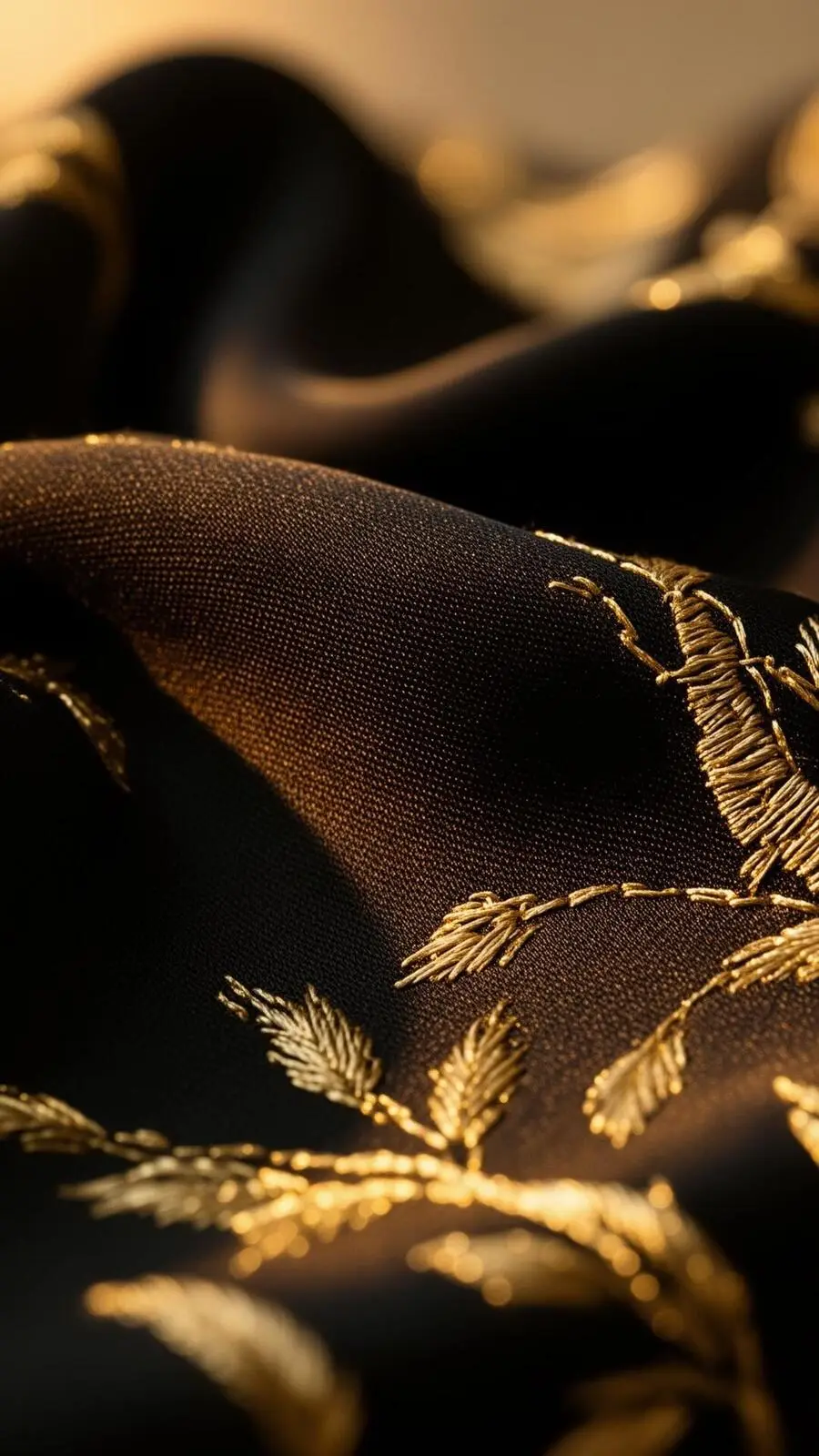
Ask any cutter in our atelier what makes an abaya, and the answer is the same: the cloth makes the abaya. Everything else — the cut, the finish, the embroidery — is in service of it.
Saudi crêpe is the fabric we return to most often. Spun from a high-twist polyester or polyester-viscose blend, it has a matte hand, an even drape, and a weight that holds its shape without stiffness. The best mills sit in the Eastern Province of Saudi Arabia, and the difference between the best and the average is measurable in a single pass of the hand.
When we want a piece to whisper, we move to Italian silk. The mills of Como produce a silk crêpe with a sheen so subtle it reads almost as a matte. We use it for our evening pieces, our Eid editions, and our most considered closed abayas.
Cotton is the underrated fabric of the abaya. Hand-loomed in small workshops in Egypt and India, the right cotton breathes through a Dubai August in a way no synthetic ever will.
Touch a NAH piece in person — book a private appointment with our concierge.
Book an Appointment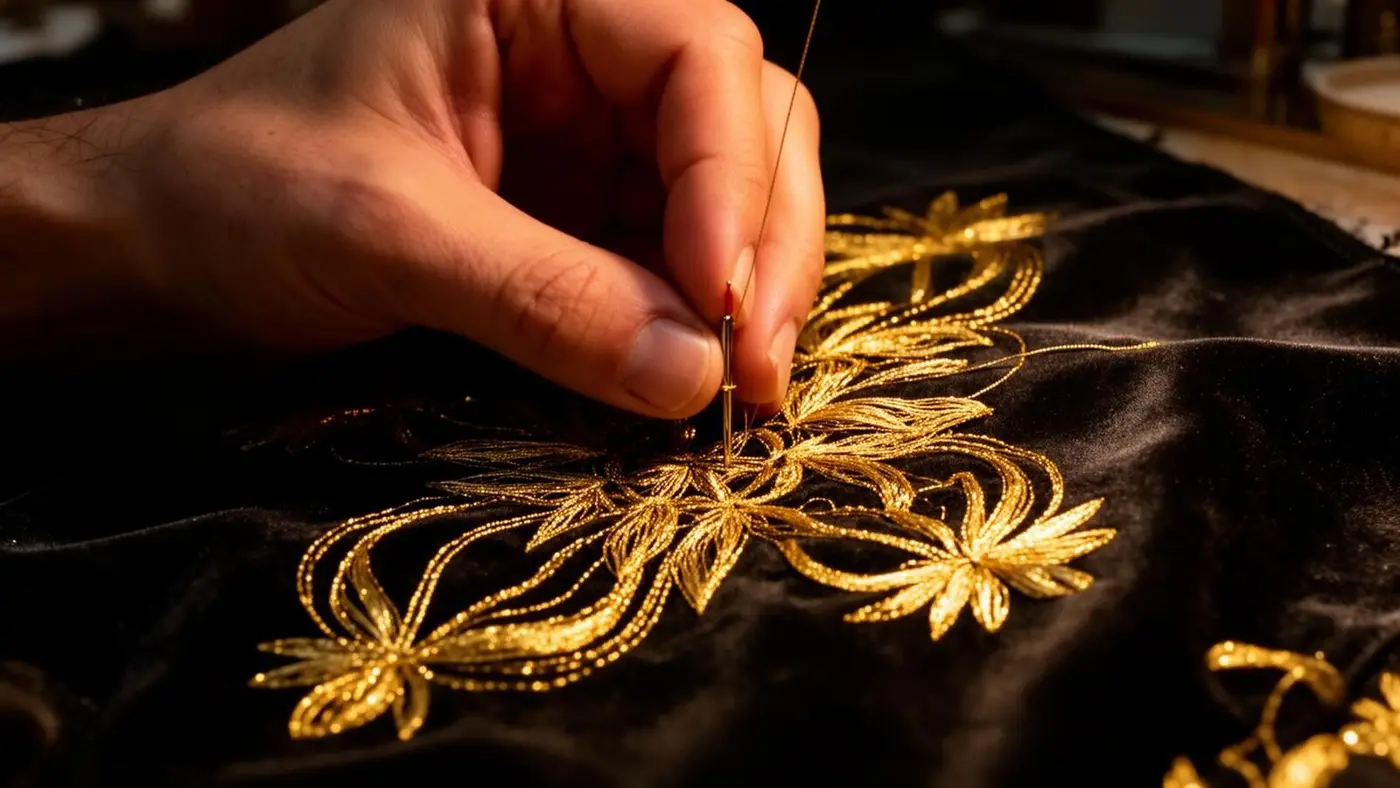
From the courtyards of old Dubai to the runways of Paris — a meditation on how the abaya became one of the most quietly powerful garments in modern fashion.
A walk through the Dubai atelier where each NAH abaya is cut, embroidered, and finished — by a small team of hands that have been doing this for thirty years.
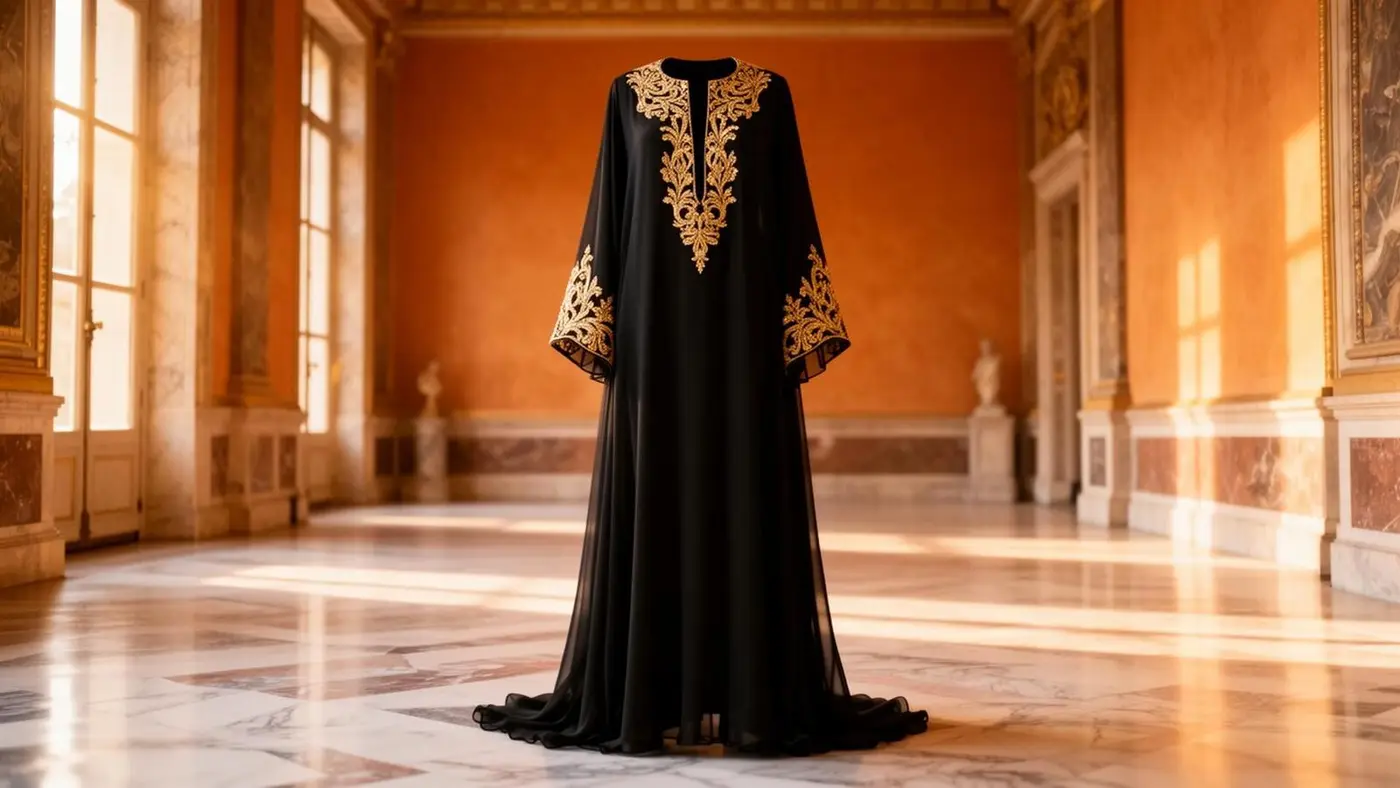
How to choose an Eid abaya that honours tradition without rehearsing it — silhouette, fabric, and the subtleties that separate finery from fashion.