Atelier
Inside the Atelier: Forty-Two Hours, From Cloth to Cloth
—10 min
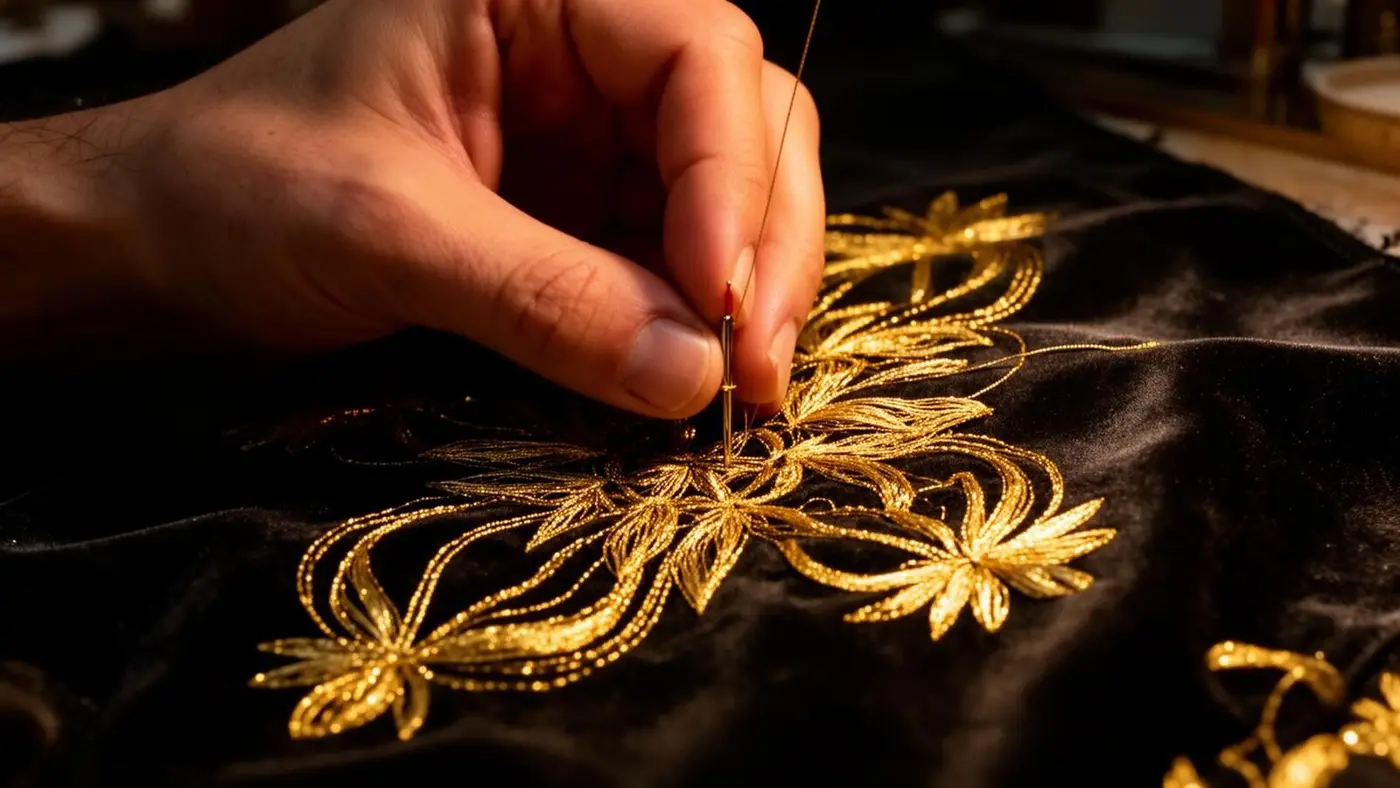
Our atelier sits in a quiet corner of Dubai. There are seven cutters, four embroiderers, two finishers, and a head pattern-maker whose name we will not write here, because she would prefer it that way.
Every NAH piece begins as a single length of cloth. It is laid flat, inspected for inconsistency, and rested for twenty-four hours before any blade touches it. Cloth has memory; it must be allowed to settle.
Cutting is the most consequential stage. A misplaced blade cannot be undone. Our head cutter has been cutting abayas for thirty-one years, and she still uses paper patterns rather than digital ones — the slight give of paper, she says, makes for a softer line.
Embroidery is placed by hand, in natural light, by a single embroiderer per piece. We do not split the work. The thread tension of one pair of hands cannot be matched by another.
Hems are folded twice, sewn invisibly, and pressed at low heat from the reverse side. Buttons and hooks are hidden. The garment is then inspected three times — once by the maker, once by the head finisher, once by the founder.
Every NAH piece leaves the atelier in a hand-folded ivory box, lined with tissue, sealed with a wax stamp. It is the last quiet act of the atelier before the piece begins its life with the woman it was made for.
Explore the pieces this atelier produces.
Shop the CollectionFrom the courtyards of old Dubai to the runways of Paris — a meditation on how the abaya became one of the most quietly powerful garments in modern fashion.
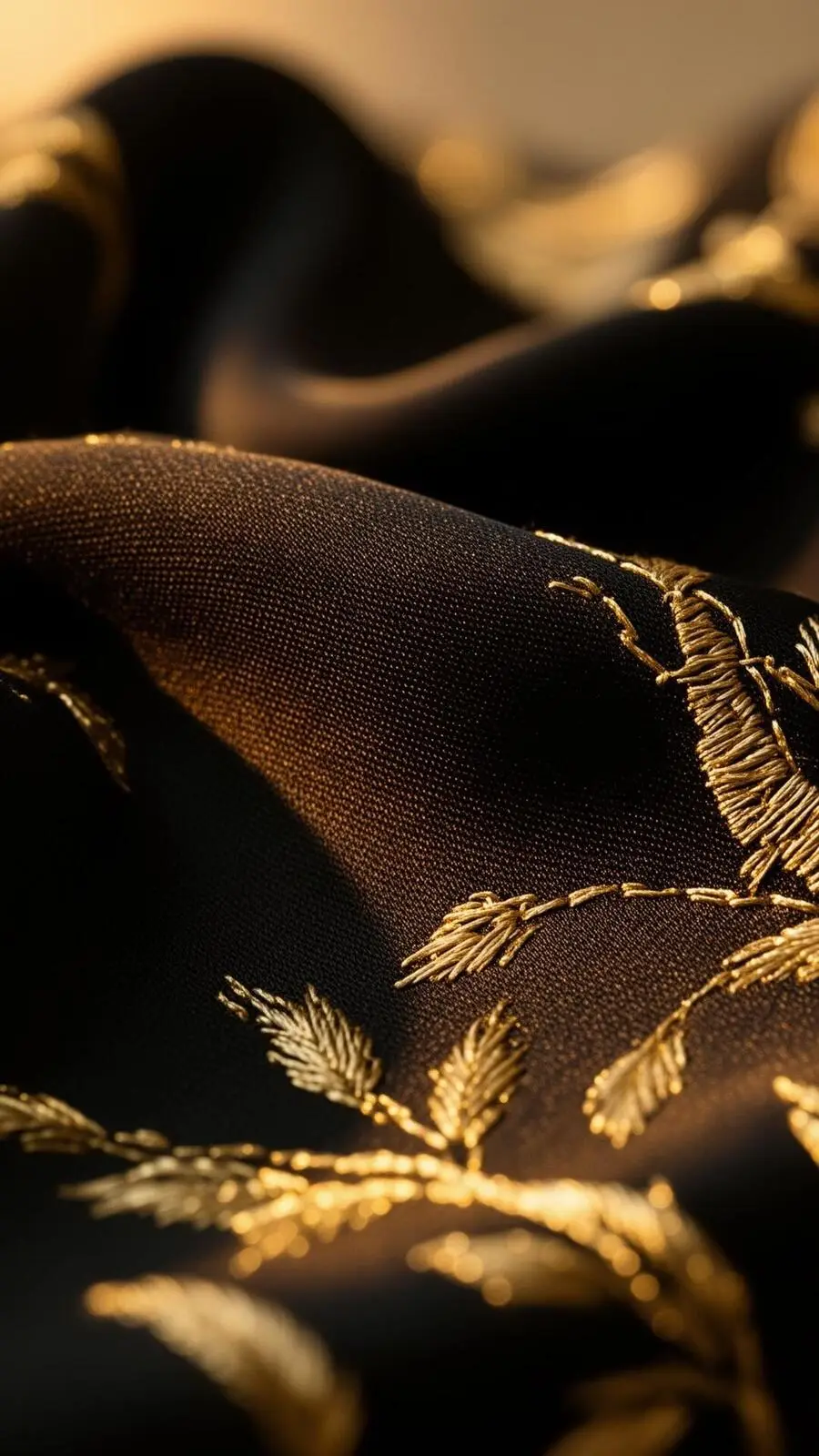
Why we source crêpe from the Eastern Province and silk from Como — a quiet defence of fabric obsession.
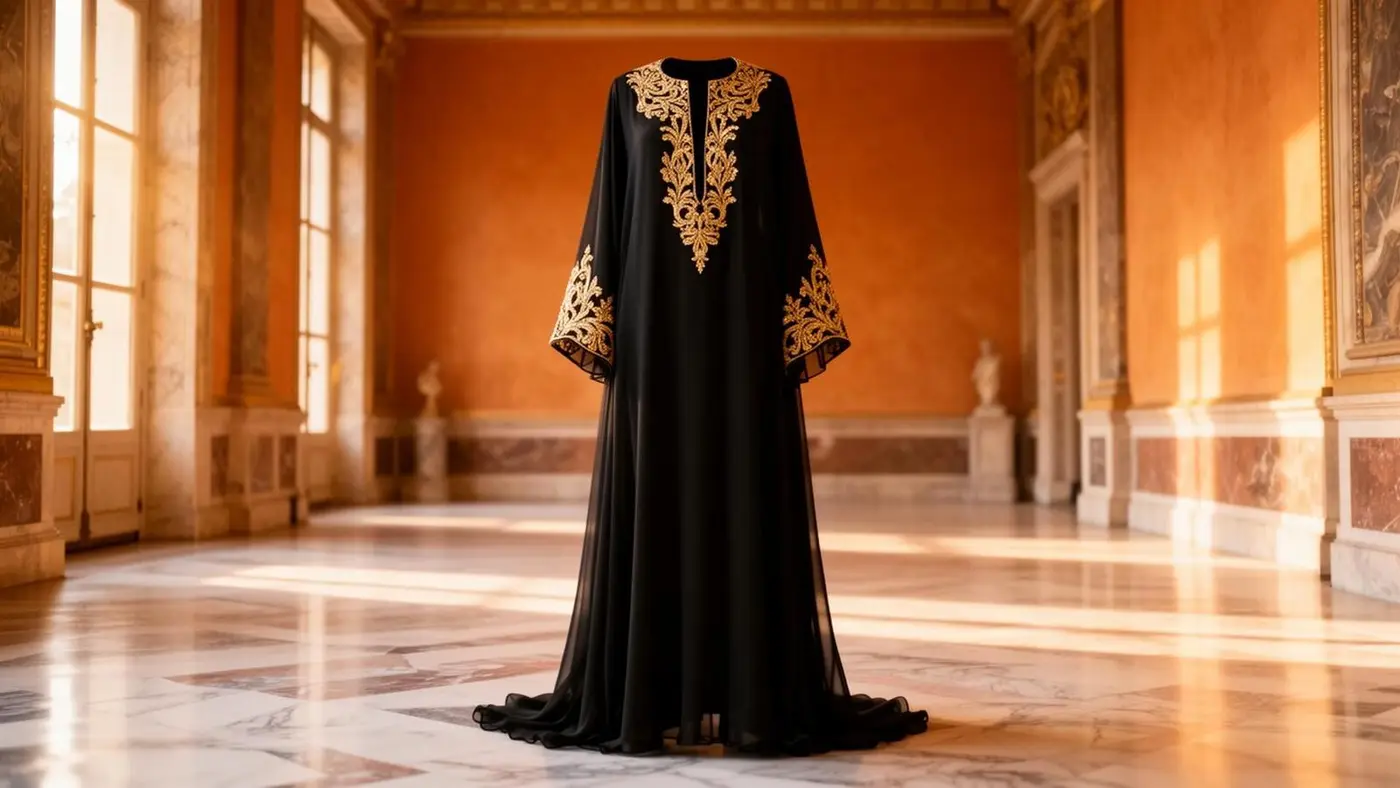
How to choose an Eid abaya that honours tradition without rehearsing it — silhouette, fabric, and the subtleties that separate finery from fashion.