Buyer's Guide
Starting an Abaya Brand in 2026: A Step-by-Step Launch Plan
Last updated —9 min read
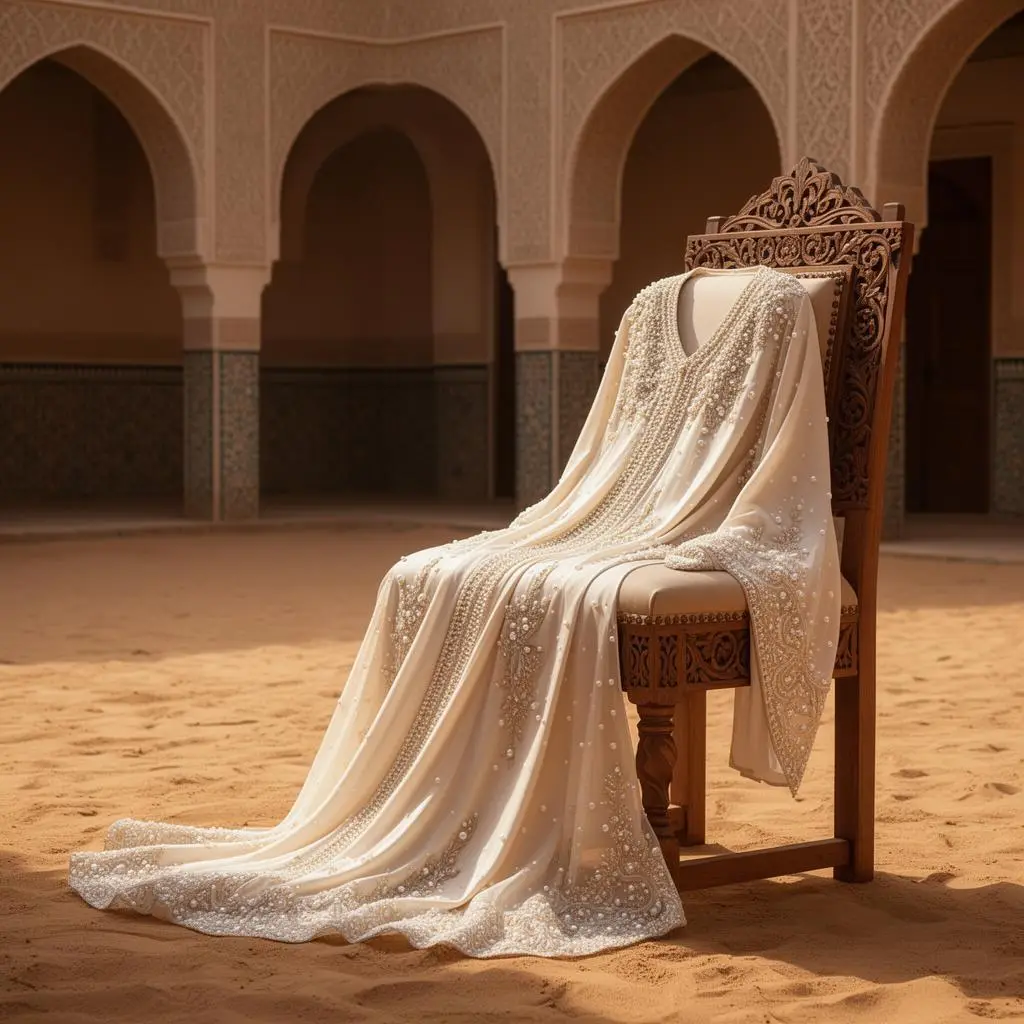
Our page on how to start an abaya brand explains what we do for new brands and what our launch package includes. This guide is the other half: the plan itself, step by step, for someone who has decided to do it and wants to know what to do first. It applies whoever makes your abayas.
Before a single sketch, write down who you are selling to, as specifically as you can. Where does she live? What does she wear the abaya for — daily wear, work, occasions? What does she currently pay? Where does she shop?
This is not a branding exercise; it is a production decision. A customer in a hot climate needs different fabric from one in Northern Europe. A customer buying for Eid expects different finishing from one buying a daily abaya. A customer who is tall, or petite, changes the lengths you order. Every later decision in this plan is easier once this one is made.
Decide your target retail price before you choose fabric, not after. Then work backwards: retail price, minus your margin, minus delivery, packaging and payment fees, gives you the most you can pay to land each garment. That number decides which fabric tier you can use.
Fabric is the main lever. The same design can be produced from the most premium fabrics available in the Gulf region down to upper-mid, and that choice moves your cost per piece far more than ordering eight pieces instead of sixteen.
Collect photos and videos of what you want to make. They do not need to be professional — screenshots, photos of garments, sketches on paper all work. For each design, try to include the back, because abaya back drape and embroidery placement are often where the design really lives.
Aim for four to six designs rather than one. Unless you already know exactly what your customers want, the first run is an experiment, and an experiment needs more than one variable.
Order a small quantity of each design. With a per-design minimum of 8, four designs is 32 pieces. That is enough to photograph, enough to sell to a first audience, and small enough that one design not selling is a lesson rather than a disaster.
Add your branding at this stage — woven or leather labels, hangtags, packaging. It is much cheaper to set up labels on the first run than to relabel stock later.
Pick your launch date, then count backwards. With NAH, production takes 1–3 weeks depending on volume and complexity, and delivery is worldwide in 10–15 days. Photography needs the stock in hand. So a realistic plan looks like this:
| Stage | Typical time | Notes |
|---|---|---|
| Design sign-off and fabric choice | About 1 week | Faster if references are clear and include the back |
| Production | 1–3 weeks | NAH's figure; depends on volume and complexity |
| Delivery | 10–15 days | NAH's worldwide figure |
| Photography and product pages | About 1 week | Needs stock in hand |
| Pre-launch marketing | Runs in parallel | Start before stock arrives |
Before Ramadan and Eid, add a generous margin. Demand peaks, every manufacturer is busy at once, and Islamic dates move about eleven days earlier each year. Our Ramadan and Eid ordering timeline covers that season in detail.
Many abaya brands start on Instagram, and it is a sensible place to find a first audience. But it is worth setting up a store of your own early — even a simple one. It makes repeat buying easier, gives paid advertising somewhere to send people, and means your business is not one algorithm change away from silence.
Product photography sells abayas more than product descriptions do. At minimum, shoot the front, the back, a side or three-quarter view, a close detail of fabric and trim, and one image of the garment worn. The back matters here too — customers want to see how it falls.
Launch to the audience you have built, watch which designs sell through, and reorder those. This is where a low minimum pays off a second time: you can reorder a proven design in a small quantity rather than waiting until you can afford a large one.
We will not publish a figure, because it depends almost entirely on your fabric tier, the number of designs and the market you ship to. What we can say is where founders most often under-budget: not the garments, but everything around them — photography, packaging, delivery, returns, and the advertising it takes to find the first hundred customers. Keep money back for those.
Our launch package combines private-label production, a basic store and product photography. Capacity is limited each month.
Start an abaya brand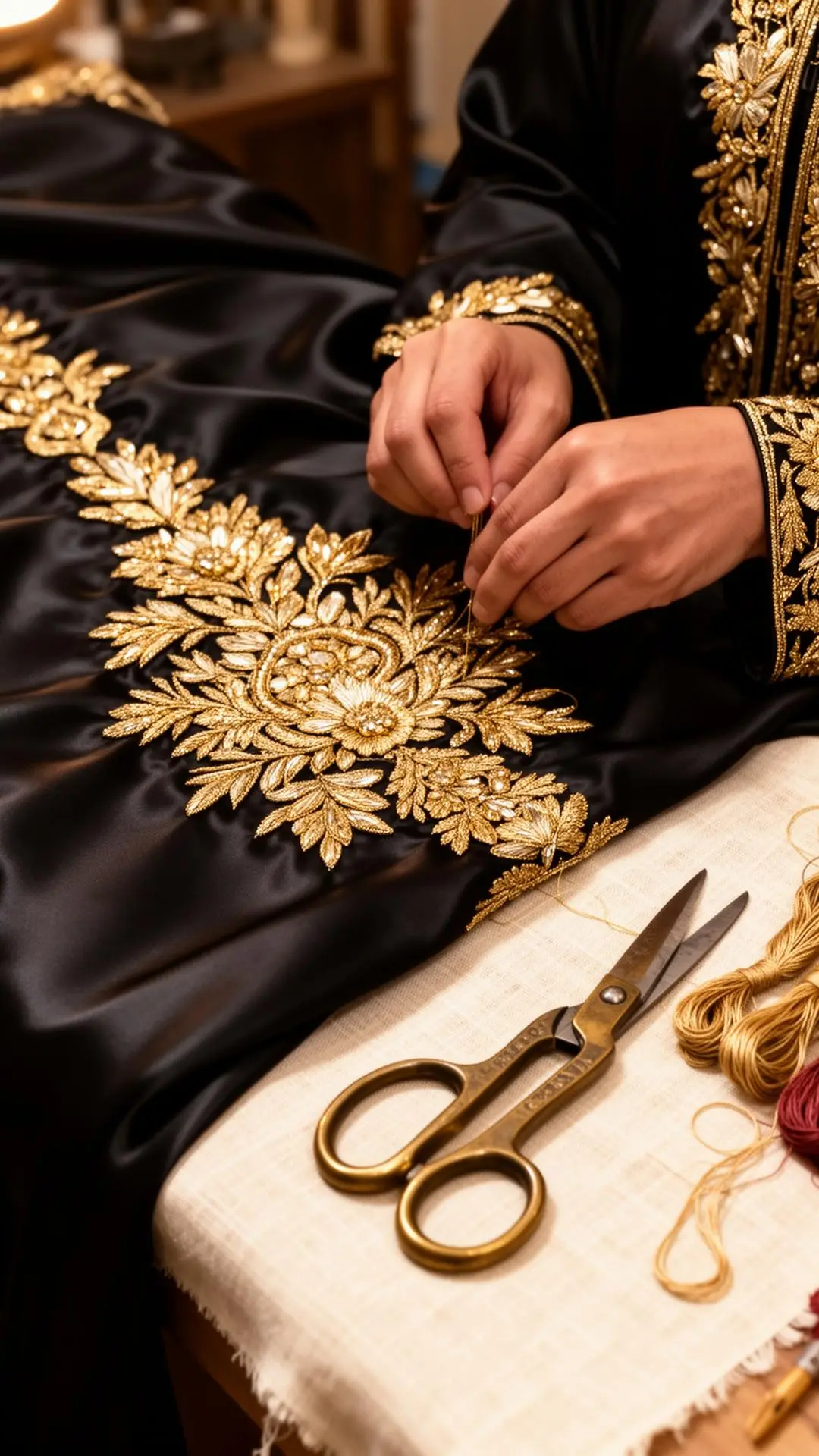
Twelve questions to ask any abaya manufacturer before you place an order — and what a good answer sounds like.
What a minimum order quantity is, why manufacturers set one, and how a low MOQ changes the risk of starting a boutique or brand.

When to order abayas for Ramadan and Eid 2027, worked back from the projected dates, production time and delivery.