Buyer's Guide
Abaya Size Guide for Retailers: Lengths 52–60 Inches and How to Order a Size Run
Last updated —7 min read
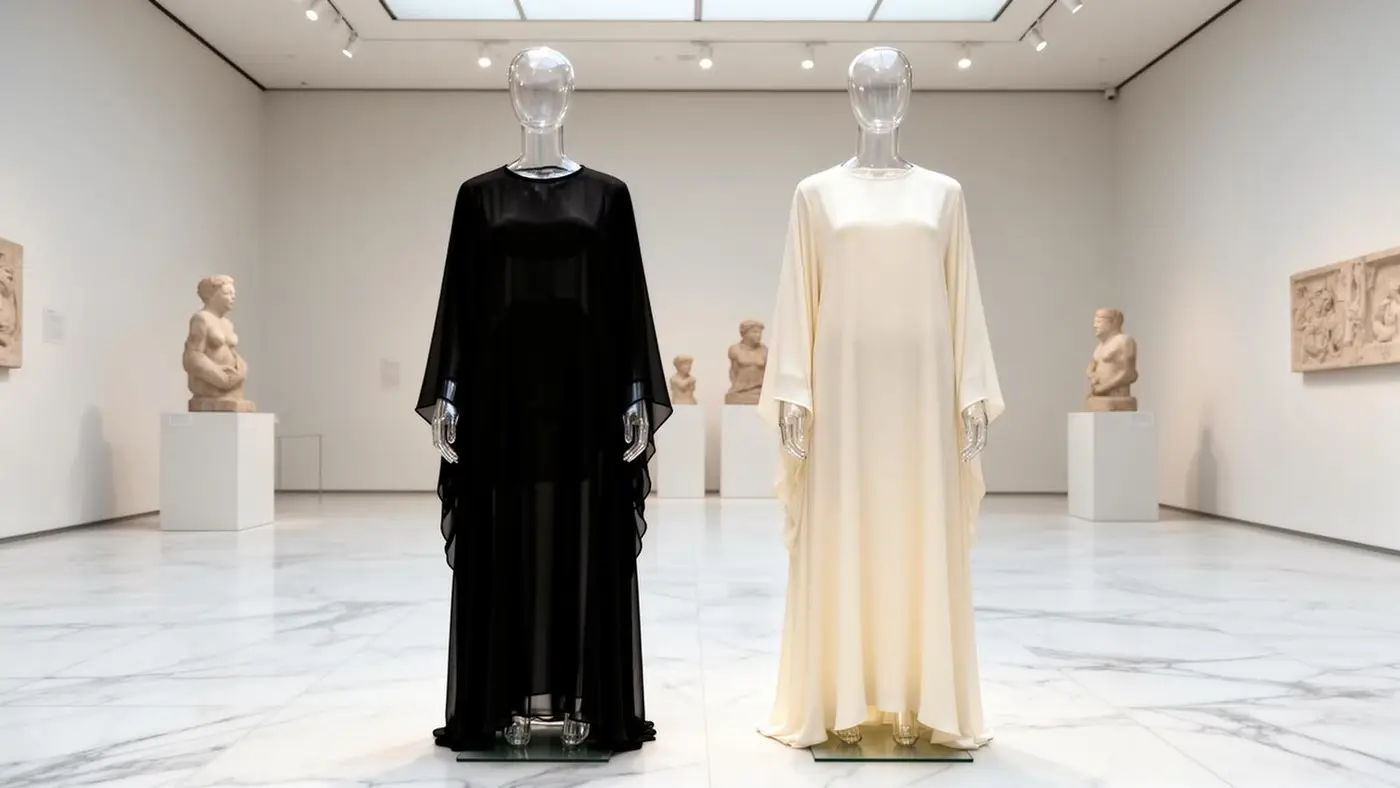
Abaya sizing confuses buyers coming from general fashion, where sizes run S, M, L or by numbered dress sizes. Abayas are usually sized by length instead, because most are cut loose through the body and length is what decides whether a garment falls properly. Get the lengths wrong in a wholesale order and you end up with a rail of pieces that are too long for your customers, or too short to wear.
By length, measured from the highest point of the shoulder down to the hem, and usually stated in inches. Common adult lengths run from 52 to 60 inches in 2-inch steps. NAH produces standard lengths across that range, child sizes from 2 to 12 years, and tailoring on request.
Width is often generous and standard, because the traditional abaya is designed to fall away from the body. Fitted, tailored, belted and coat-style abayas are the exception: for those, bust and shoulder measurements matter too, and a length alone is not enough to size them.
Stand straight, in the shoes the wearer usually wears with an abaya. Measure from the top of the shoulder, where a seam would sit, straight down to the floor. That measurement is the abaya length. If she likes the hem to just touch the floor, use it as it is; if she prefers it clear of the floor, round down to the next available length.
Shoes matter more than people expect. A two-inch heel is a full step in abaya lengths, so a customer who wears heels to occasions and flats every day may genuinely need two different lengths.
Measuring always beats a chart. But for a retailer planning stock, a rough relationship between height and length is useful. The table below is a common starting point, not a rule — body proportions vary, and so does how long a customer likes her hem.
| Wearer's height (approx.) | Length to start from |
|---|---|
| About 5′0″ (152 cm) | 52 in |
| About 5′2″ (157 cm) | 54 in |
| About 5′4″ (163 cm) | 56 in |
| About 5′6″ (168 cm) | 58 in |
| About 5′8″ (173 cm) and above | 60 in |
Start from your customers, not from a symmetrical spread. The worst size run is the one that assumes every length sells equally. If you have sales history — even informal, from Instagram orders — look at which lengths you sold most of, and weight your order towards them.
Without history, think about who you sell to. Markets differ: average heights vary between populations, and so do preferences for a hem that touches or clears the floor. A boutique whose customers are mostly younger and taller will sell more of the long end; one whose customers prefer a practical daily length may sell more of the middle.
A common approach is to weight the middle lengths and carry fewer at each end. As an illustration only, an order of eight pieces of one design might look like this:
| Length | 52 | 54 | 56 | 58 | 60 |
|---|---|---|---|---|---|
| Pieces (of 8) | 1 | 2 | 2 | 2 | 1 |
Whether you can split one design's minimum across lengths like this depends on the manufacturer. Some allow it freely, some require a minimum per length, some per design only. At NAH, ask us when you enquire, and we will tell you what is possible for your design.
The ends of the range are where retailers most often lose sales, because they carry too few pieces there or none at all. If your customers include many petite or tall women, stock the ends deliberately rather than as an afterthought. Tailoring on request can cover individual cases, but a rail with the right lengths already on it sells better than a promise to alter one.
Children's abayas are usually sized by age rather than length, because growth makes age the more practical shorthand for parents. NAH produces child sizes from 2 to 12 years. As with adult lengths, a quick check against the child's actual height is worth more than the age on the label.
NAH produces lengths from 52 to 60 inches and child sizes from 2 to 12 years, with tailoring on request.
Wholesale & manufacturing
What a minimum order quantity is, why manufacturers set one, and how a low MOQ changes the risk of starting a boutique or brand.
The names for abaya styles, what each one looks like, and which fabrics suit it — a glossary for buyers, boutiques and new brands.

Twelve questions to ask any abaya manufacturer before you place an order — and what a good answer sounds like.